
Quick Answer
Before you install solar panels on your Colorado home, verify that your roof has at least 15-20 years of remaining life. Solar panels typically last 25-30 years, and removing and reinstalling panels for a roof replacement can cost $3,000-$8,000 extra. The right order of operations for most Colorado homeowners is: inspect your roof first, replace it if needed, THEN install solar. This one decision can save you thousands and avoid warranty complications with both your roof and solar system.
Colorado Is a Solar Powerhouse — But Your Roof Comes First
Colorado ranks among the top ten states in the nation for solar potential. With over 300 days of sunshine per year, favorable state incentives, and rising energy costs, more Front Range homeowners than ever are looking at solar as a smart long-term investment.
But here’s what most solar sales reps won’t tell you: your roof needs to be ready for solar before you sign a contract.
The solar industry has a well-documented problem — homeowners installing panels on aging or damaged roofs, then discovering years later that they need a roof replacement AND a $3,000-$8,000 panel removal-and-reinstallation charge on top of it. That combined cost often erases the financial benefit solar was supposed to provide.
This guide covers everything you need to know about your roof before committing to solar. It’s the conversation you should have BEFORE you sit down with a solar salesperson — not after.
Is Your Roof Actually Ready for Solar Panels?
Solar panels typically last 25-30 years. If your roof won’t last that long, you have a problem. Here’s how to assess honestly.
Roof Age Reality Check
Most residential asphalt shingle roofs in Colorado last 15-20 years — not the 25-30 years the manufacturer warranty claims. We covered this in detail in our guide on how long a roof really lasts in Colorado, but the short version is that our climate (high-altitude UV, hail, wind, freeze-thaw cycles) accelerates roof aging significantly.
The rule of thumb: If your Colorado roof is more than 10-12 years old, you should strongly consider replacing it BEFORE installing solar. If your roof is 15+ years old, replacement first is almost always the right call.
Signs Your Roof Isn’t Solar-Ready
Watch for these red flags before committing to solar:
- Shingles that look weathered, cracked, or curling
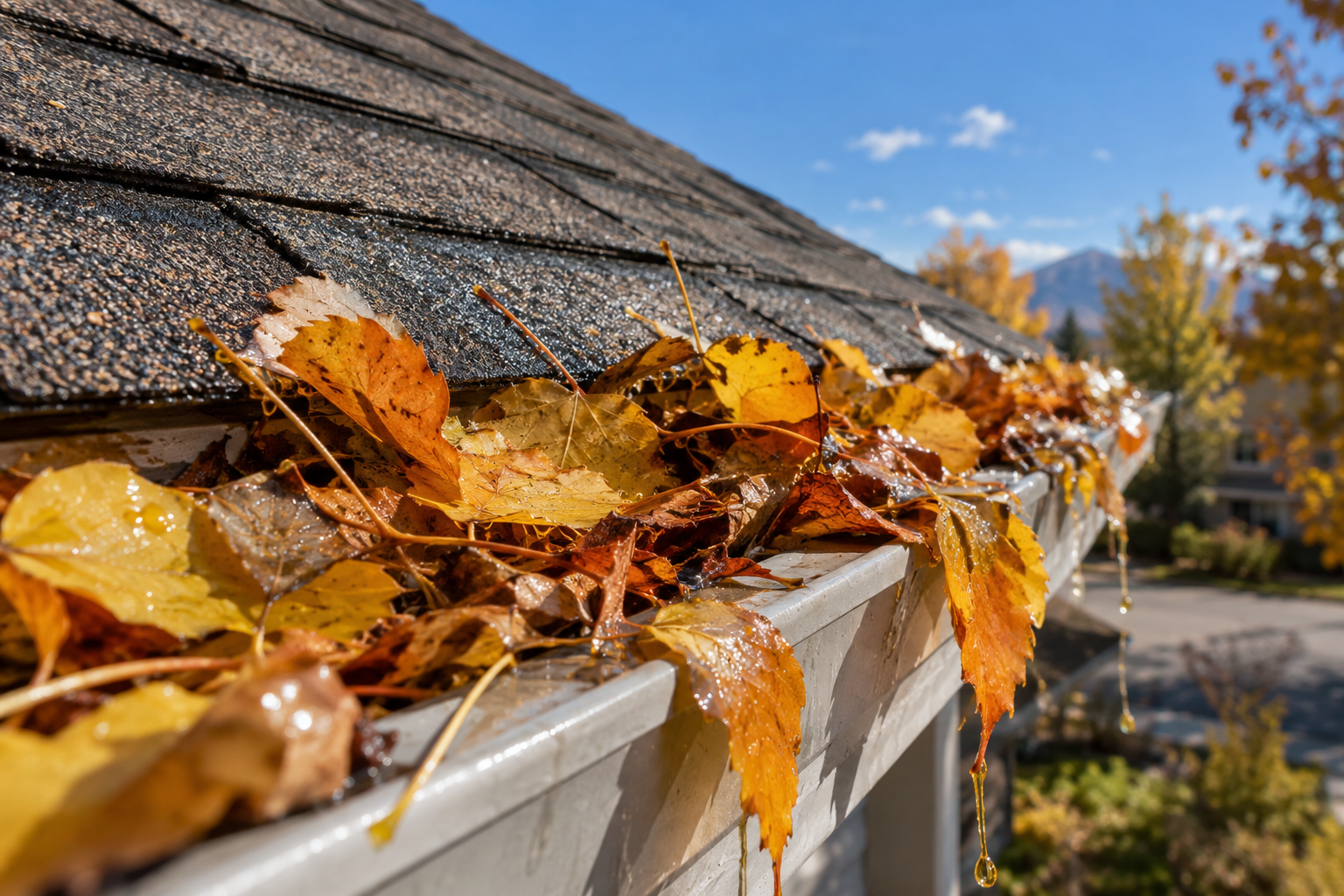
- Missing granules (visible in gutters or downspouts)
- Any active leaks or water stains on interior ceilings
- Sagging or uneven roof planes (indicates structural issues)
- Recent hail damage (even minor damage worsens under solar equipment weight)
- Aged flashing around vents, chimneys, and existing penetrations
If you have any of these issues, address them BEFORE any solar company touches your roof. Our detailed guide on spotting roof damage before it becomes a costly problem covers what to look for during a self-assessment.
The 4 Factors Solar Companies Rarely Discuss
Most solar sales conversations focus on panel efficiency, financing options, and estimated savings. Here are four critical roof-related factors that often get skipped.
1. Weight and Structural Capacity
A typical residential solar system adds 2.5-4 pounds per square foot to your roof. For a 6kW system covering roughly 400 square feet, that’s 1,000-1,600 pounds of additional load.
Most Colorado homes are built to handle this, but older homes, homes with lightweight framing, or homes with previous structural modifications may need reinforcement. A proper solar assessment includes a structural review — not just an aesthetic and electrical review.
2. Ventilation and Airflow
Solar panels create shade that changes how heat moves through your attic. In Colorado’s climate, this can affect ice dam formation in winter and attic temperatures in summer. Proper attic ventilation matters more, not less, when panels are installed.
If your current attic ventilation is inadequate (a common issue in Colorado homes), solar installation can accelerate roof aging in the newly-shaded areas.
3. Water Management
Solar mounting hardware creates dozens of new roof penetrations. Each one is a potential leak point if not flashed properly. Reputable solar installers use high-quality flashing systems (like QuickMount or Ecofasten), but budget installers often cut corners here.
If you’re in a hail-prone area, every mounting point is also a potential impact-damage point. This is one of many reasons why Class 4 impact-resistant shingles become even more valuable when solar is planned.
4. Roof Access for Future Maintenance
Once solar panels are installed, accessing the roof under and around them becomes significantly harder. Repairs that would take an hour on a bare roof can take a full day (and cost 3-5x more) when panels have to be worked around or temporarily removed.
Plan for this. If you’re likely to need any roof work in the next 5 years, do it before solar installation.
What Roof Materials Work Best With Solar Panels in Colorado
Not all roofing materials are equally solar-friendly. Here’s the honest breakdown.
Asphalt Shingles
Best for solar: ✅
Standard asphalt shingles are the most common roofing material in Colorado and the most straightforward for solar installation. Mounting hardware is well-established, and installation costs are moderate. If you’re planning solar, Class 4 impact-resistant shingles are the smartest choice because they extend roof life to match your solar system’s lifespan.
Metal Roofing
Best for solar: ✅✅
Metal roofs and solar are an excellent combination. Standing seam metal roofs allow clamp-based solar mounting with zero roof penetrations — dramatically reducing leak risk. Metal roofs also last 40-50+ years, easily outliving even the best solar systems.
Concrete Tile
Best for solar: ⚠️ (with caveats)
Concrete tile roofs can accommodate solar, but installation is more complex and expensive. Tiles must be carefully removed and specialty flashing installed at each mounting point. Damaged tiles during installation are common. Not recommended unless the tile roof is relatively new.
Wood Shakes/Shingles
Best for solar: ❌
Wood shakes are increasingly rare in modern Colorado construction and difficult to solar-outfit. Fire codes, structural concerns, and installation complexity generally make this combination impractical.
Flat/Low-Slope Roofs (TPO, EPDM, Modified Bitumen)
Best for solar: ✅ (with ballasted systems)
Commercial and some residential flat roofs use ballasted solar mounts that require no penetrations. This works well for TPO or EPDM roofs in good condition. Our commercial roofing services cover flat roof considerations in detail.
For a broader look at material options, see our comprehensive guide to the best roofing materials for Colorado homes.
The Warranty Trap Most Homeowners Fall Into
Here’s where solar and roofing intersect in ways most homeowners never see coming.
Your Roof Manufacturer Warranty
Most residential shingle manufacturers require that any third-party installations on the roof follow specific standards to maintain warranty coverage. Improper solar installation can void your shingle warranty entirely.
Specific warranty-voiding issues include:
- Non-approved mounting systems
- Improper flashing techniques
- Installation by contractors not certified for that shingle brand
- Failure to install roof penetrations to manufacturer standards
We covered the full breakdown in our Colorado roof warranty guide, but this is important: if your solar installer isn’t familiar with your specific shingle brand’s requirements, you could void a $2,000+ warranty for a $200 mounting hardware choice.
Your Solar System Warranty
Reputable solar systems come with 25-year panel warranties and 10-25 year workmanship warranties on the installation. But there’s a catch — if your roof leaks under the panels, warranty claims get complicated.
Solar companies often blame roof issues. Roofers often blame solar installation. The homeowner ends up in the middle.
The prevention: Have your roof professionally inspected before solar installation, document its condition with photos, and get written confirmation from your solar installer that their installation meets your shingle manufacturer’s warranty requirements.
The Right Order of Operations
For most Colorado homeowners, here’s the process that saves the most money and headaches:
Step 1: Get a Free Roof Inspection
Before ANY solar conversation, understand your roof’s current condition and remaining life. This inspection should include:
- Age assessment
- Damage inventory (hail, wind, UV)
- Ventilation adequacy check
- Structural review
- Photo documentation
We provide this as a free service throughout the Denver metro. No obligation, no pressure. Just an honest assessment of what you’re working with.
Step 2: Address Roof Issues First
If your roof has less than 15 years of remaining life or has any significant damage, replace it before solar installation. Yes, this means more upfront cost. But it eliminates the risk of $3,000-$8,000 in panel removal/reinstallation charges 5-10 years down the road.
If you’re replacing anyway, consider upgrading to Class 4 impact-resistant shingles to align roof lifespan with solar system lifespan.
Step 3: Then Install Solar
With a solid, warranty-preserved roof under your solar system, you get the full benefit of your investment without the hidden risks.
Insurance Considerations for Colorado Solar Homeowners
Solar installation affects your homeowner’s insurance in several ways:
Rate increases: Most carriers charge higher premiums for solar-equipped homes due to increased replacement cost. Expect $50-200/year increases.
Coverage clarification: Verify whether your solar system is covered under your homeowner’s policy or if you need supplemental coverage. This matters for hail damage claims.
Hail damage claims: In hail country (which is all of Colorado’s Front Range), solar panels can be damaged by hailstorms just like your roof. Class 4 panels exist for a reason. Discuss with your insurance carrier what documentation they’ll require.
For a complete walkthrough of Colorado insurance processes, see our guide to filing a roof insurance claim in Colorado.
What to Ask Before Signing Any Solar Contract
Before committing to a solar installer, ask these specific questions:
- Have you inspected my roof? What’s your assessment of its condition?
- What flashing system will you use? (Answer should be QuickMount, Ecofasten, or similar quality system — NOT generic sealant)
- Are you certified by my shingle manufacturer? (Important for warranty preservation)
- What warranty do you provide on penetrations and mounting?
- What happens if my roof needs work in 10 years? (Get the removal/reinstallation cost in writing)
- Will you coordinate with my roofing contractor? (A good solar installer says yes)
- What’s your process if we find damage during installation?
If a solar company gets defensive or vague about any of these questions, walk away. Read our full guide to avoiding contractor scams in Colorado (which references our recent FOX21 News feature) for more red flags.
Frequently Asked Questions
Should I replace my roof before installing solar panels?
If your roof has less than 15 years of remaining life or shows signs of damage, yes — replace first. Solar systems last 25-30 years, and removing/reinstalling panels for a roof replacement typically costs $3,000-$8,000 in additional expenses. This charge often erases the financial benefit of solar. Getting a professional roof inspection before solar installation is the safest approach.
How long do solar panels last on a Colorado roof?
Solar panels typically last 25-30 years, though efficiency degrades gradually (about 0.5% per year). Colorado’s high-altitude UV exposure can accelerate this slightly. This is why matching your roof lifespan to your solar system lifespan matters so much.
Can hail damage solar panels?
Yes. Most solar panels are rated to withstand 1-inch hail at 50 mph, but Colorado hailstorms regularly produce larger and faster hail. Some premium panels are rated for 2-inch hail. Insurance coverage for hail-damaged solar panels varies by carrier — verify before installation.
Will solar installation void my shingle warranty?
It can. Non-approved mounting systems, improper flashing, or installation by contractors not certified for your specific shingle brand can void manufacturer warranties. Always verify your solar installer follows your shingle manufacturer’s approved installation standards.
What roofing material is best for solar panels in Colorado?
Standing seam metal roofing is the best combination — no roof penetrations required and 40-50+ year lifespan matches solar system life. For most Colorado homes, Class 4 impact-resistant asphalt shingles are the best practical choice, balancing cost, durability, and solar compatibility.
Can Watchdog Roofing help coordinate with my solar installer?
Yes. We regularly work with Colorado homeowners planning solar installations. We provide the pre-solar roof inspection, complete any necessary roof work first, and coordinate with your solar installer to ensure warranty compliance and proper installation. Call (720) 235-8159 to schedule a free consultation.
Key Takeaways
- Colorado’s climate demands honest assessment of your roof BEFORE committing to solar
- Match your roof lifespan to your solar system’s 25-30 year expected life
- Roof replacement is significantly cheaper before solar installation than after
- Class 4 impact-resistant shingles are the smartest asphalt shingle choice when solar is planned
- Verify your solar installer preserves your shingle manufacturer’s warranty
- Get every commitment in writing before signing any solar contract
- A pre-solar roof inspection is free and can save you thousands
Get a Free Pre-Solar Roof Inspection
Watchdog Roofing and Restoration provides free roof inspections throughout the Denver metro and Front Range — including Aurora, Thornton, Commerce City, Castle Rock, and Strasburg.
If you’re considering solar for your Colorado home, we’ll give you an honest assessment of your roof’s condition and remaining life, help you understand whether replacement should come first, and coordinate with your solar installer to protect your warranty and investment.
We handle residential roofing, storm damage restoration, and complete exterior services throughout the Denver metro.
Call (720) 235-8159 or request a free inspection online. We respond within one business day with next steps.
📍 30 S. 7th Ave, Suite 400B, Brighton, CO 80601
You can also verify our credentials through the Colorado Roofing Association and the BBB Denver.