
Quick Answer
In Colorado, roofs rarely last as long as the warranty suggests. High-altitude UV, hail, wind, and freeze-thaw cycles mean a “30-year” shingle often delivers just 15–22 years here. Asphalt typically lasts 15–22 years, impact-resistant shingles a bit longer, and metal 40+ years. Proper installation, attic ventilation, and Class 4 shingles are the biggest levers for reaching the full lifespan.
If you’ve ever asked a roofer how long your roof will last and gotten a vague “20-25 years, depending on conditions” answer — you’re not alone. The truth is, manufacturer warranties and industry averages tell one story. Colorado reality tells another.
A 30-year shingle in Tampa, Florida might actually deliver 28-30 years of life. The same shingle on a Brighton home — same product, same installer, same warranty — often gives you 15-20 years before it needs replacement. The difference isn’t the materials. It’s our climate.
Here’s an honest breakdown of how long different roofing materials actually last in Colorado, what shortens their lifespan, and how to plan ahead so you’re not blindsided by a six-figure roof bill.
The Colorado Climate Tax on Roofs
Before we get into specific lifespans, it helps to understand what your roof is up against here. Front Range conditions are uniquely tough on roofing materials:
Hail. Brighton, Thornton, Commerce City, and the entire Denver metro sit in “Hail Alley” — one of the most hail-prone regions in the United States. Major hailstorms hit every few years. Smaller ones much more often. Even hail that doesn’t immediately damage shingles weakens them over time. Learn how to spot hail damage on your roof before it costs you.
UV exposure. At 5,000+ feet of elevation, we get significantly more UV radiation than at sea level. UV degrades asphalt binders, causes granule loss, and accelerates material aging. A roof in Colorado ages roughly 30% faster from UV alone than the same roof at sea level.
Wind. Downslope Chinook winds occasionally exceed 100mph along the Front Range. Even regular gusts of 50-70mph during thunderstorms stress roof attachment points, lift shingle edges, and crack sealant bonds.
Freeze-thaw cycles. Colorado’s wild temperature swings — 60°F to 20°F in the same day during spring and fall — cause materials to expand and contract constantly. Over years, this fatigues every seal, every nail, every flashing joint.
Snow load. Spring storms can drop 2+ feet of heavy, wet snow. Even smaller accumulations apply stress to structural decking and create ice dam conditions that force water under shingles.
Add it all up, and Colorado roofs work harder than roofs almost anywhere else. They’re going to wear out faster. Knowing how much faster helps you plan.
Realistic Roof Lifespans in Colorado
Here’s what we actually see across thousands of inspections in Brighton, Thornton, Commerce City, and the surrounding metro:
| Roofing Material | Manufacturer Claim | Real Colorado Lifespan |
|---|---|---|
| 3-tab asphalt shingles | 20-25 years | 12-18 years |
| Architectural (dimensional) shingles | 25-30 years | 18-22 years |
| Class 4 impact-resistant shingles | 30-50 years | 25-30 years |
| Standing seam metal roof | 50-70 years | 40-50 years |
| Stone-coated steel | 40-60 years | 30-45 years |
| Concrete tile | 50+ years | 40-50 years |
| Clay tile | 50-100 years | 40-60 years |
| TPO (commercial flat) | 20-30 years | 18-25 years |
| EPDM (commercial flat) | 25-30 years | 22-28 years |
A few notes on these numbers:
- These assume a major hailstorm hits during the roof’s lifespan, which is realistic for any Front Range roof
- Insurance claims often reset the clock — a roof replaced after hail damage starts fresh
- Roofs in newer construction (built within the last 15 years) tend to use builder-grade materials that perform at the lower end of these ranges
- A roof that’s been hit by hail multiple times will fail faster than one that’s avoided storms
Why Class 4 Shingles Are Worth Considering
Notice the difference in the table: Class 4 impact-resistant shingles last almost twice as long as standard 3-tab shingles in Colorado conditions. They’re tested to handle hail impacts that destroy regular shingles, and they often qualify homeowners for insurance premium discounts of 5-30%.
The upfront cost is 15-25% higher than standard architectural shingles. Over the roof’s life, you typically come out way ahead — both in roof longevity and reduced insurance premiums. For most Brighton-area homes, we recommend Class 4. You can read more about the best roofing materials for Colorado weather.
Signs Your Roof Is Reaching End of Life
How do you know when you’re getting close? Watch for these signs:
Granule loss. Look in your gutters and downspouts. Heavy granule accumulation means your shingles are wearing thin. A handful of granules is normal; a coffee can’s worth is a problem.
Curled or cupped shingles. Edges lifting up, or shingles bowing in the middle, indicates UV damage and end-of-life material breakdown.
Cracked shingles. Vertical cracks through shingles mean the material has lost flexibility. They’re brittle and won’t hold up to the next storm.
Bald spots. Areas where you can see the dark asphalt under the granule coating — those spots will leak within months.
Sagging rooflines. This is a structural issue, usually meaning water has damaged the decking below. Always call a roofer for this.
Frequent leaks. If you’ve patched the same general area multiple times, the underlying material is failing. Patches are buying time, not fixing the problem.
Daylight visible from the attic. Self-explanatory. Get it inspected immediately.
If you’re seeing any combination of these, it’s worth getting a free inspection to understand exactly where you stand and whether repair or replacement makes more sense.
What You Can Do to Maximize Roof Life
Here are the high-impact things that genuinely extend roof life in Colorado:
- Annual professional inspections. Catching small problems before they become big ones is the single best investment. Most reputable roofers offer free inspections.
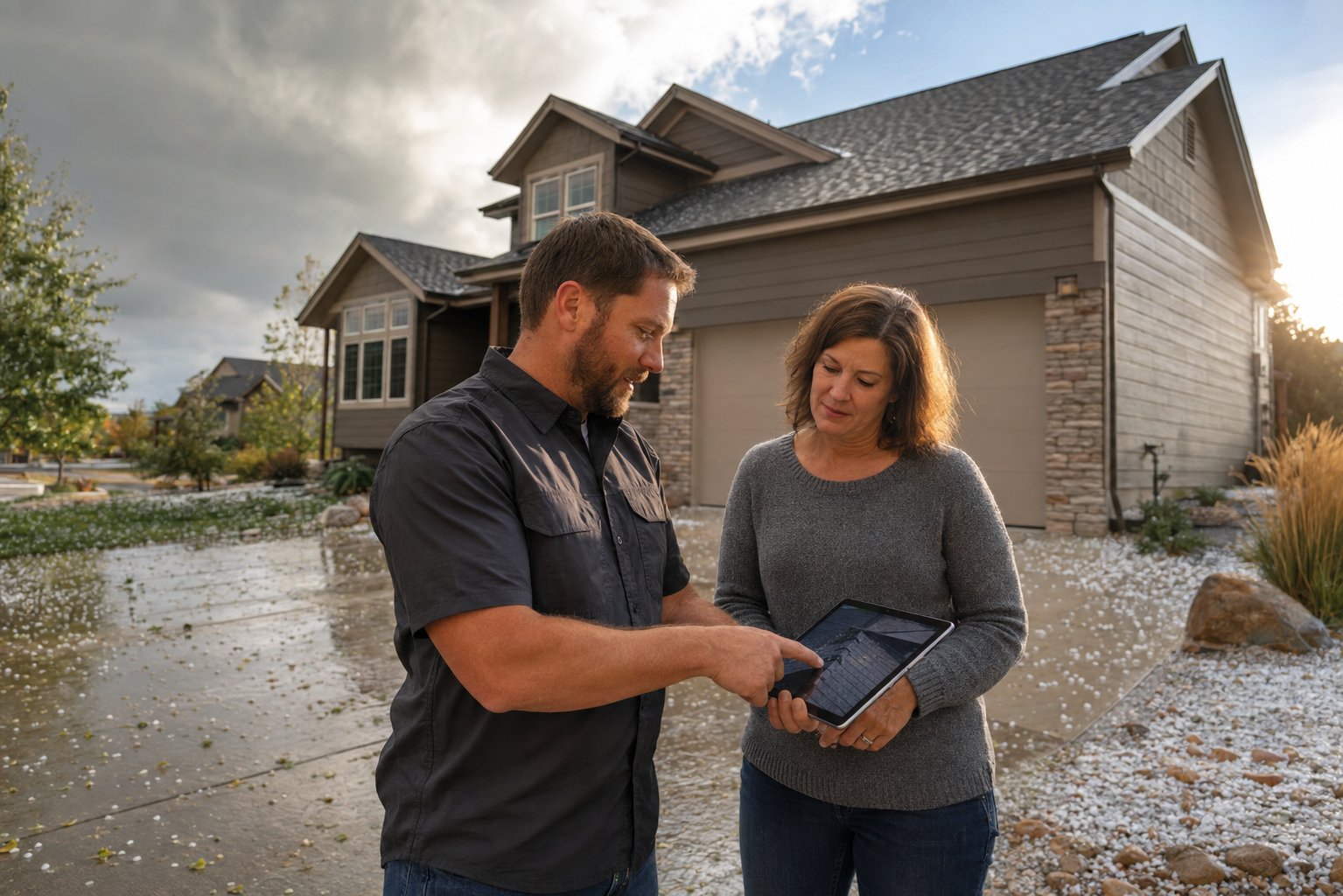
- Post-storm inspections. After any significant hail or windstorm, get a free inspection. Storm damage often hides until water damage shows up months later.
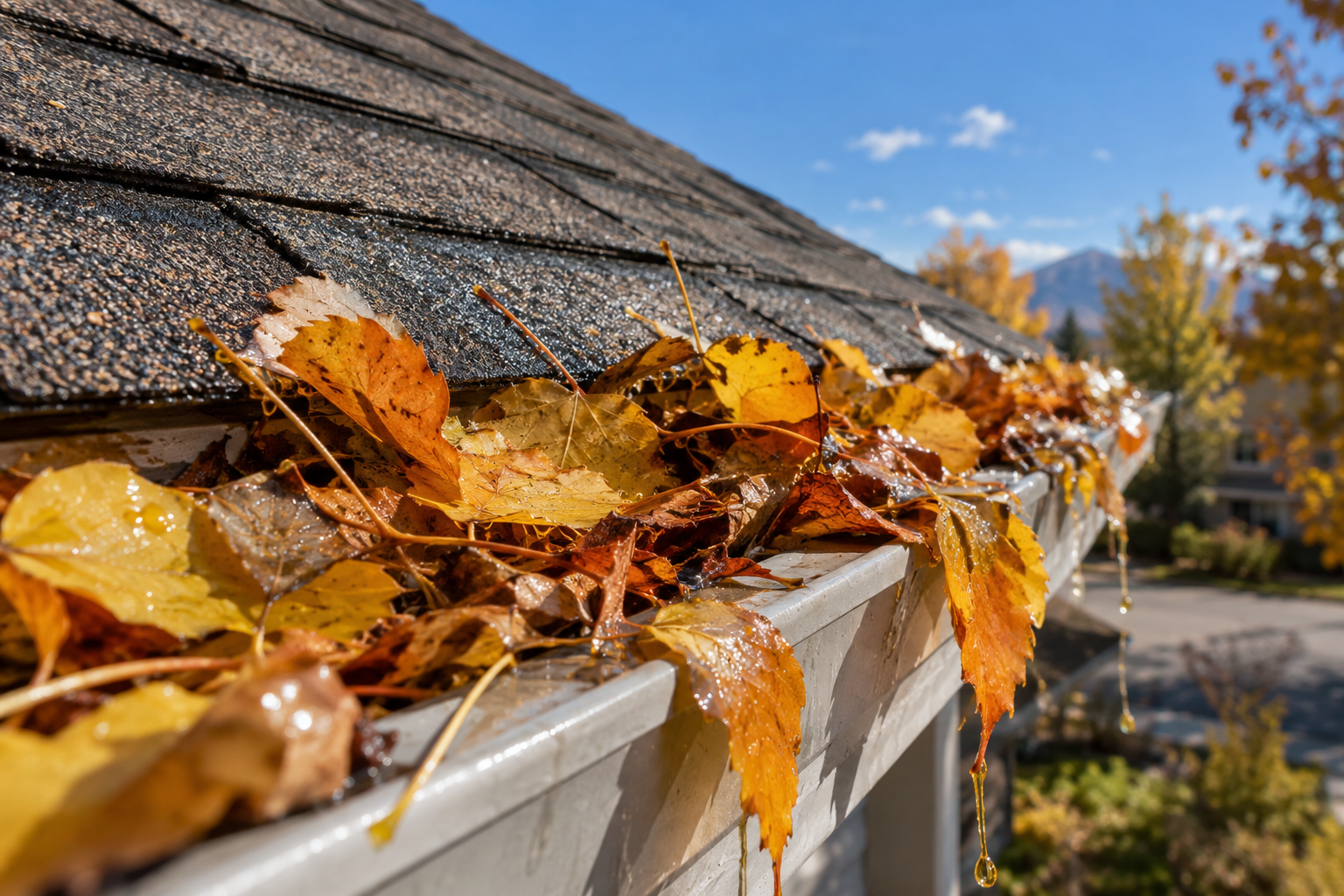
- Keep gutters clean. Clogged gutters back water up under shingles, leading to rot and ice dams. Clean twice yearly minimum.
- Trim overhanging tree branches. Branches rubbing on shingles strip granules and create damage spots.
- Address attic ventilation. Poor ventilation overheats your roof from below, accelerating shingle aging dramatically. A roofer can assess this in 5 minutes.
- Don’t ignore small leaks. A single leaking penetration left for a year can require deck replacement. Fix immediately.
When to Start Budgeting for Replacement
A good rule for Front Range homeowners:
- Year 1-10: Annual inspections, no replacement budget needed yet
- Year 10-15: Start thinking about replacement timeline. Get current condition documented.
- Year 15-18: Begin actively budgeting. Most asphalt roofs in Colorado need replacement in this window.
- Year 18+: You’re on borrowed time. Plan replacement, not more repairs.
- 5 Signs It’s Time to Replace Your Roof
For commercial properties, similar logic applies but timelines vary by system. We cover this in detail in our commercial roof maintenance guide.
Get an Honest Assessment
Watchdog Roofing and Restoration provides free, no-pressure roof inspections throughout Brighton and the entire Denver metro. We’ll tell you honestly where your roof stands — including when replacement isn’t needed yet. That kind of straight talk is how we’ve built our reputation locally.
Whether you’re researching for the future or you suspect your roof is reaching end of life now, we’ll come out free of charge and give you a written assessment with photos.
Call (720) 235-8159 or request a free inspection online.
We respond within one business day and provide honest evaluations — whether for residential or commercial properties throughout Brighton, Thornton, Commerce City, Denver, and the Front Range.
Related reading: attic ventilation is one of the biggest factors in how long your roof actually lasts. See our full guide to roof ventilation in Colorado.
Key Takeaways
- Colorado’s climate shortens real roof life vs. manufacturer estimates
- Standard asphalt often lasts ~15–22 years here, not 25–30
- Hail, UV, wind, and freeze-thaw are the main lifespan-shorteners
- Class 4 impact-resistant shingles can add years and reduce hail damage
- Ventilation and correct installation strongly affect how long a roof lasts
- Start budgeting for replacement around the 15-year mark
- A professional inspection gives you a realistic remaining-life estimate