Quick Answer
Most commercial roof failures are preventable. Proactive maintenance can extend a commercial roof’s life 30–50%, while emergency repairs after neglect cost 3–5x more. A strong program means scheduled inspections (typically twice a year plus after major storms), documented findings, and prompt small repairs — especially important on Colorado’s hail- and snow-exposed flat roofs.
Most commercial roof failures are preventable.
That’s not contractor-speak — it’s documented industry data. The National Roofing Contractors Association estimates that proactive maintenance can extend a commercial roof’s lifespan by 30-50%, while emergency repairs after neglect cost 3-5x more than scheduled maintenance would have. Yet most commercial buildings in the Denver metro get inspected only when there’s already a problem.
For property managers, business owners, and HOA boards juggling dozens of priorities, the roof is easy to ignore — until it isn’t. By the time a leak shows up on a tenant’s ceiling or a roof drain backs up during a March storm, you’re looking at a much bigger bill than a maintenance visit would have cost.
This guide walks through what commercial roof maintenance actually involves, what to budget for, and how to make smart decisions about your property’s most expensive single component.
Why Commercial Roof Maintenance Matters
A commercial roof replacement in the Denver metro typically runs $7-$15 per square foot, depending on system type and complexity. For a 20,000 sq ft warehouse, that’s $140,000 to $300,000. For an HOA-managed multi-family property with multiple buildings, replacement costs can climb into the high six figures.
Now consider the alternative: a properly maintained commercial roof typically lasts 25-30 years instead of the 15-20 years a neglected one will give you. That’s potentially 10 extra years before you’re writing a six-figure check.
Beyond lifespan, there are three other major reasons maintenance matters:
Tenant relationships. A leak that disrupts a tenant’s operations damages your relationship and can trigger rent abatements, lease renegotiations, or move-outs. The cost of losing one tenant often exceeds years of maintenance budgets.
Insurance considerations. Many commercial insurance policies require documented evidence of roof maintenance. After a claim, adjusters look for maintenance records. Lack of documentation can result in reduced payouts or denied insurance claims.
Capital planning accuracy. Without regular inspections, you’re guessing about when major work is coming. A documented maintenance program gives you accurate timelines for budgeting roof replacement 5-10 years out.
What a Good Commercial Maintenance Program Looks Like
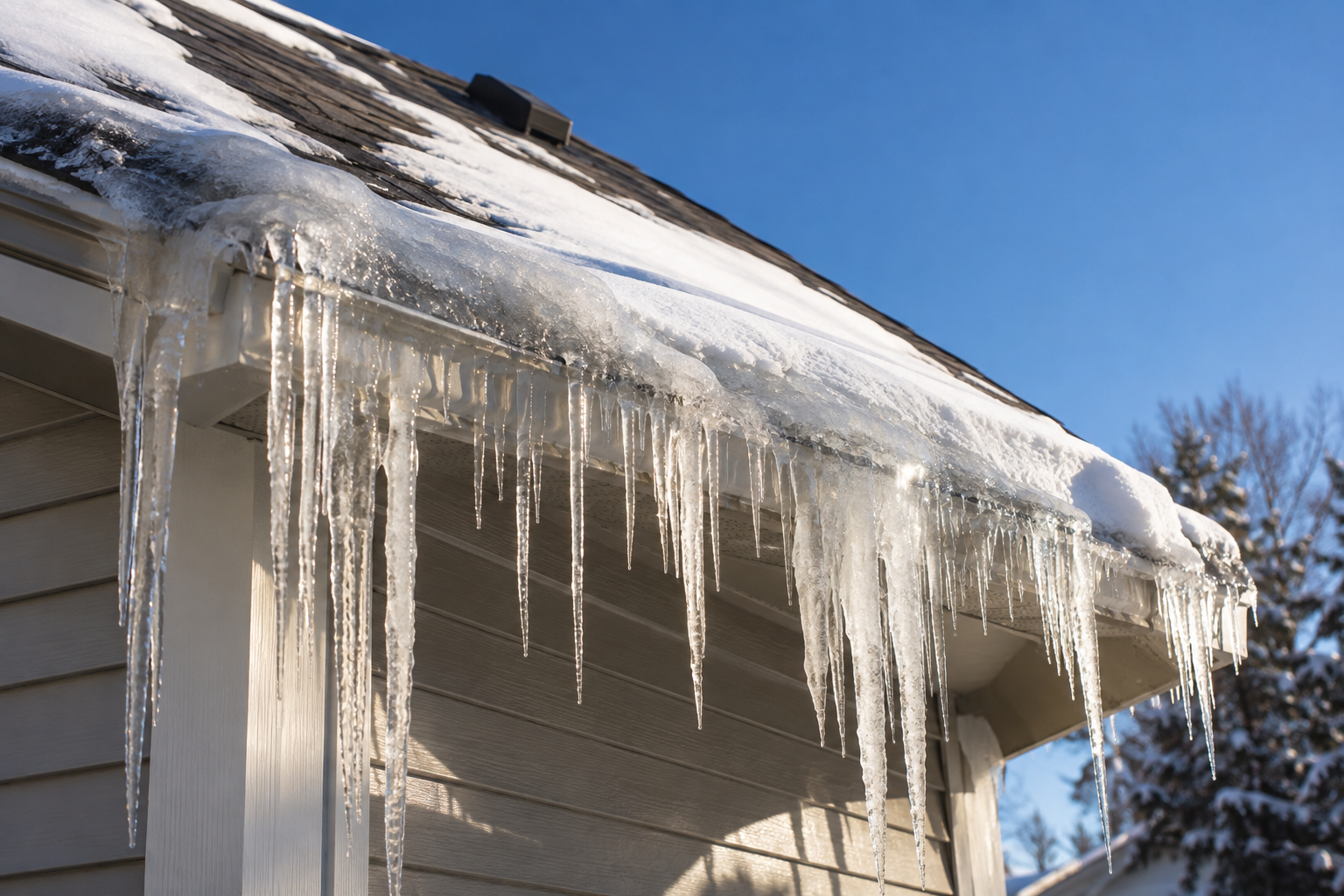
The industry standard for commercial roof maintenance is two inspections per year — typically spring and fall. Spring inspections catch winter damage (ice dams, snow load stress, cracked seals). Fall inspections prepare the roof for winter and address summer storm damage.
Each inspection should include:
- Visual roof walkthrough — every accessible square foot inspected
- Drainage system check — drains cleared, scuppers inspected, downspouts tested
- Penetration inspection — HVAC units, vents, pipes, skylights, satellite dishes
- Membrane examination — looking for blisters, splits, punctures, seam separation
- Flashing review — perimeter flashings, parapet walls, equipment curbs
- Structural observation — looking for ponding water, deck deflection, deterioration
- Written report with photos — documenting current condition and recommendations
- Minor repairs included — small punctures, loose flashings, debris removal
Beyond the scheduled visits, your roofer should be on call for storm response and emergency repairs.
What We Look For During Commercial Inspections
A thorough commercial roof inspection isn’t just walking the roof and looking around. There are specific failure points we examine because they’re where 80% of commercial roof problems start:
Ponded water. Standing water on flat roofs more than 48 hours after rain is a serious problem. It accelerates membrane breakdown, stresses the structural deck, and provides a path for water infiltration when the membrane finally fails.
Seam separation. TPO, EPDM, and PVC membranes are connected at seams. Temperature cycling, UV exposure, and improper original installation can cause seams to fail. A failed seam can leak for months before the water shows up inside.
HVAC penetration failures. Roof penetrations for HVAC equipment, plumbing vents, and electrical conduits are the most common source of commercial roof leaks. The flashing and sealants around these penetrations need regular inspection and resealing.
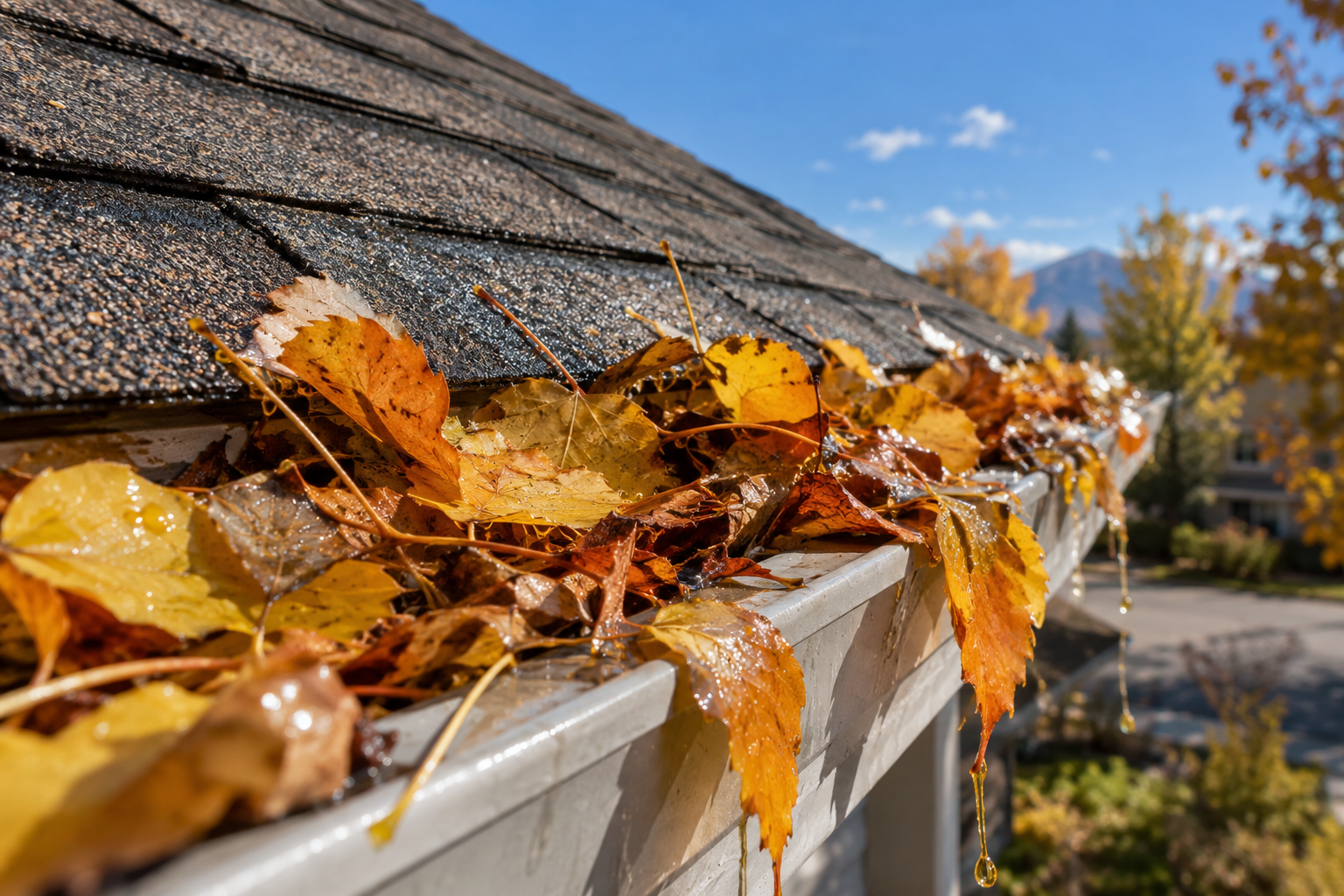
Drainage problems. Blocked drains, missing strainers, sediment buildup, and damaged downspouts cause water to pool where it shouldn’t. We clear drains during every visit.
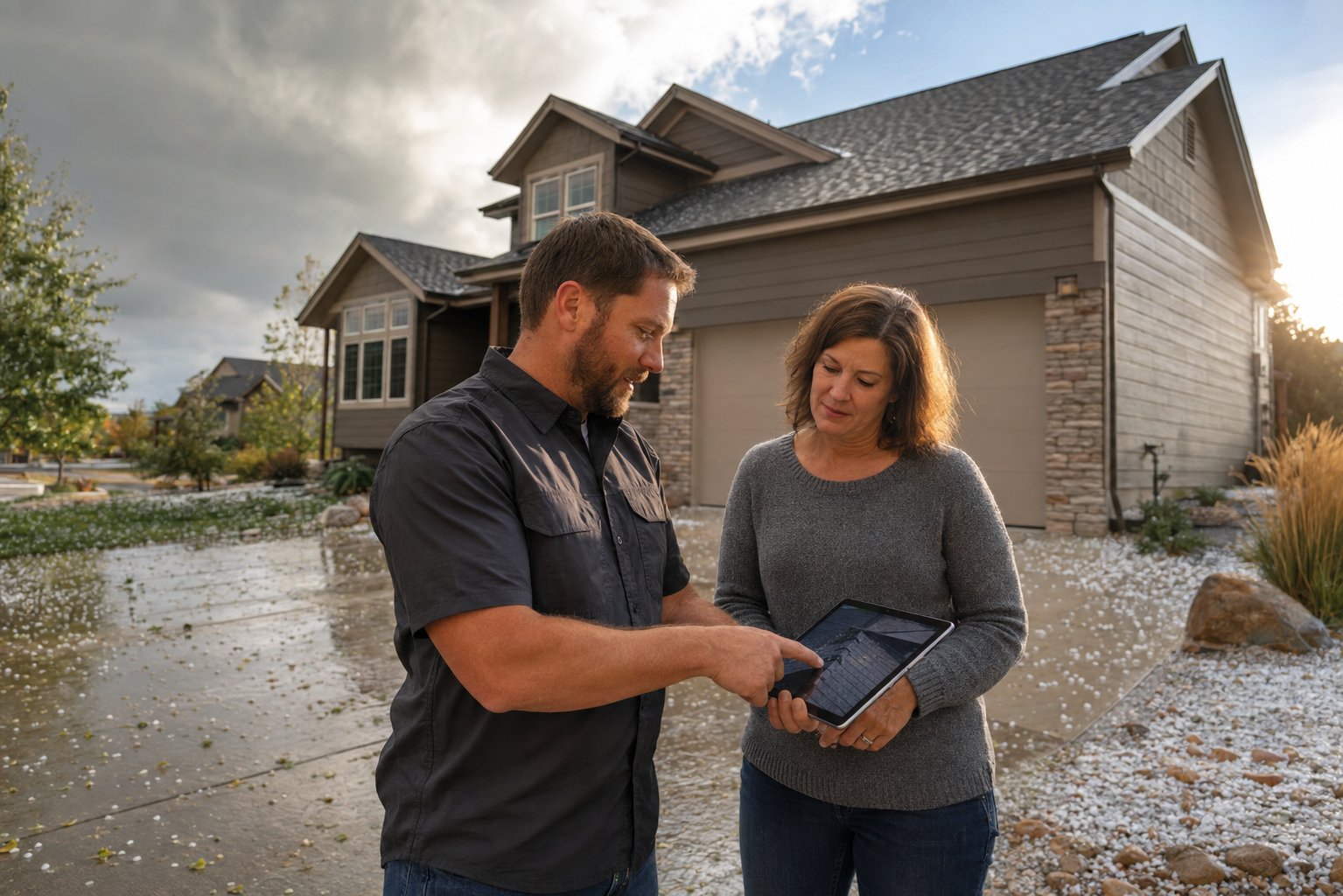
Hail and storm damage. Commercial roofs take hail differently than residential. The damage often doesn’t leak immediately but compromises the membrane’s lifespan. After major hailstorms in the Denver metro, every commercial property should be inspected for hail damage.
Storage and foot traffic damage. Roofs used for storage, frequent HVAC service, or any foot traffic show wear in those specific areas. We document and address.
Common Problems We Find (And What They Cost to Ignore)
Here’s the math on neglected commercial roof issues:
| Problem Caught Early | Typical Cost | Same Problem After 1-2 Years of Neglect |
|---|---|---|
| Small membrane puncture | $200-$500 | Interior damage + repair: $3,000-$15,000 |
| Failed seam (caught at start) | $500-$1,500 | Section replacement: $5,000-$20,000 |
| Clogged drain | $100-$300 | Ponding damage + structural: $10,000+ |
| HVAC penetration leak | $400-$1,000 | Mold remediation + repair: $5,000-$25,000 |
| Hail damage (documented) | Insurance claim covers most | Out-of-pocket after claim window: $50,000-$200,000+ |
Every line in that table is a real situation we’ve encountered with Brighton-area property managers who hadn’t had inspections in years.
Documentation Matters as Much as the Work
For commercial property managers, the documentation from regular inspections is almost as valuable as the maintenance itself:
- Insurance claim support — photographic records of pre-storm condition strengthen insurance claims
- Capital planning — accurate roof age and condition data for board presentations
- Property valuation — documented maintenance increases building value at sale
- Lender requirements — many commercial mortgage refinances require recent roof condition reports
- Vendor accountability — comparing inspections over time identifies recurring issues
Any commercial roofing contractor worth hiring should provide detailed written reports with photos after every visit, not just verbal updates.
Colorado-Specific Considerations
Property managers in the Brighton and Denver metro need to budget for our specific climate:
- Hail. We’re in Hail Alley. Every commercial roof in this region should be inspected after major hailstorms — typically several per year. Insurance windows are 12 months for most policies.
- Wind. Front Range downslope winds (sometimes exceeding 100mph) test roof attachment systems. Loose flashings and lifted membrane edges need immediate attention.
- Snow load. Spring storms can dump 2+ feet of heavy, wet snow. Drainage systems must be clear before winter, and structural concerns should be addressed proactively.
- UV exposure. High-altitude Colorado UV degrades roofing membranes faster than at sea level. Reflective coatings and proper material selection matter more here.
Choosing a Maintenance Partner
Not all commercial roofers offer real maintenance programs. Some just respond to emergencies. When evaluating contractors, look for:
- ✅ Written maintenance program with defined inspection schedule
- ✅ Detailed written reports with photographs after every visit
- ✅ Documented experience with your specific roof system (TPO, EPDM, etc.)
- ✅ Proper insurance — including general liability and workers’ comp
- ✅ References from other commercial properties in the area
- ✅ Local address and accountability (not a national chain)
- ✅ Reasonable response time for emergencies (24-48 hours)
Get an Honest Assessment
Watchdog Roofing and Restoration provides commercial roofing services and maintenance programs throughout Brighton and the entire Denver metro. We work with property managers, business owners, HOA boards, and commercial real estate investors to extend roof lifespans, document condition for insurance and capital planning, and minimize disruption to your operations.
Whether your property hasn’t had a real inspection in years or you’re setting up an ongoing maintenance schedule, we’ll start with a free commercial roof assessment — including a written report with photos and recommendations.
Call (720) 235-8159 or request a free commercial assessment.
We respond within one business day, work around your operating schedule, and give you honest assessments that help you make smart decisions about your property’s most expensive single component.
Key Takeaways
- Most commercial roof failures are preventable with maintenance
- Proactive care can extend roof life 30–50% (NRCA data)
- Emergency repairs cost 3–5x more than scheduled maintenance
- Inspect at least twice a year and after major Colorado storms
- Documentation protects warranties and supports budgeting
- Common finds: ponding water, flashing failures, open seams, clogged drains
- We provide honest written assessments for property managers